75+ School Carnival Ideas: The Ultimate Guide to Planning a Fun, Memorable, and Successful Event
Planning a school carnival can feel overwhelming — there are booths to design, volunteers to recruit, a budget to manage, and hundreds of excited kids to keep entertained. But with the right plan, a school carnival can become the highlight of your academic year, bringing students, parents, teachers, and the wider community together while raising valuable funds for your school.
In this guide, you’ll find everything you need: creative theme ideas, game and booth suggestions, food stall inspiration, fundraising tips, volunteer coordination advice, safety guidelines, and a full FAQ section to answer every question you might have along the way.
Why Host a School Carnival?
School carnivals aren’t just about fun — though that’s a huge part of it. They serve several important purposes:
- Fundraising — Carnivals are one of the most effective ways for PTAs and school boards to raise money for programs, supplies, and extracurricular activities.
- Community building — They bring together students, siblings, parents, teachers, and neighbors in a relaxed, festive setting.
- Student morale — A carnival gives kids something to look forward to and rewards them for a semester of hard work.
- School spirit — Carnivals reinforce a sense of pride and belonging within the school community.
Step 1: Choose a Theme
A theme ties your entire carnival together — from decorations to game names to food stalls. Here are some popular and easy-to-execute school carnival themes:
- Under the Sea — mermaids, sea creatures, blue and teal decor
- Carnival of Colors / Holi Festival — vibrant powders, rainbow decorations
- Space Adventure — rockets, planets, glow-in-the-dark accents
- Wild West Rodeo — hay bales, cowboy hats, western games
- Superhero Training Camp — capes, obstacle courses, hero-themed booths
- Enchanted Forest / Fairy Tale — woodland creatures, castles, storybook characters
- Retro Carnival (1950s Style) — classic popcorn stands, striped tents, sock hop music
- Around the World — booths representing different countries and cultures
- Circus Spectacular — ringmaster costumes, big-top tents, juggling shows
- Winter Wonderland — great for a December event, with snow-themed games
Step 2: Set a Budget and Timeline
Start planning 8–12 weeks in advance. Here’s a simple timeline to follow:
- 8 weeks before: Form a planning committee, choose a date and theme, secure the venue.
- 6 weeks before: Recruit volunteers, order supplies, contact vendors or food trucks.
- 4 weeks before: Finalize the game and booth list, design flyers, start ticket sales.
- 2 weeks before: Confirm volunteer shifts, prepare signage, do a supply check.
- 1 week before: Set up a rain plan, confirm all logistics, brief volunteers.
- Day before: Set up booths, decorations, and signage.
For budgeting, typical school carnivals spend money on:
- Game prizes and supplies
- Food and beverages
- Decorations and signage
- Rentals (inflatables, tables, tents)
- Entertainment (DJ, face painters, performers)
- Marketing (flyers, social media promotion)
Many schools offset these costs by selling tickets, booth sponsorships, and concessions, often turning a profit that funds future school programs.
Step 3: Game and Booth Ideas
The games are the heart of any carnival. Here’s a big list of ideas you can mix and match based on your space, budget, and age group.
Classic Carnival Games
- Ring toss
- Bean bag toss / cornhole
- Duck pond (kids pick a rubber duck to win a prize)
- Balloon dart throw
- Cake walk
- Basketball free throw
- Milk bottle knockdown
- Fishing booth (magnetic fishing game)
- Guess the number of candies in a jar
- Sponge/water balloon toss
DIY and Low-Cost Games
- Plinko board (made from plywood and golf balls)
- Egg and spoon race
- Three-legged race
- Tug of war
- Sack race
- Hula hoop contest
- Limbo contest
- Bubble station
- Chalk art contest
- Obstacle course
Fair-Style Attractions (Rentals)
- Bounce house
- Inflatable slide
- Dunk tank
- Photo booth with props
- Mini Ferris wheel or carousel (for larger budgets)
- Rock climbing wall
- Mechanical bull (for older students)
- Zip line
- Petting zoo
- Laser tag arena
Creative and Educational Booths
- Face painting
- Temporary tattoos
- Balloon animal artist
- Henna station
- Science experiment corner
- STEM building challenge (blocks, robotics kits)
- Storytelling tent
- Craft-making station (friendship bracelets, slime, etc.)
- Book fair or reading corner
- Talent show stage
Step 4: Food and Snack Ideas
No carnival is complete without classic fair food. Consider offering a mix of savory, sweet, and healthy options:
- Popcorn
- Cotton candy
- Hot dogs and hamburgers
- Nachos
- Pretzels
- Funnel cakes or churros
- Sno-cones or shaved ice
- Lemonade and iced tea
- Pizza slices
- Fruit cups and veggie snacks (for healthier options)
- Bake sale table with cupcakes, cookies, and brownies
Consider partnering with local food trucks or restaurants for sponsorship — many are happy to donate a percentage of sales in exchange for exposure.
Step 5: Fundraising Strategies
A school carnival is a golden opportunity to raise funds. Some proven strategies include:
- Ticket or wristband sales — Sell entry tickets or all-access wristbands in advance at a discount.
- Game tickets — Use a ticket or token system for games and food, sold at a central booth.
- Raffles and silent auctions — Partner with local businesses to donate prizes.
- Booth sponsorships — Local businesses can sponsor a booth in exchange for signage and recognition.
- Cake walk and bake sale — Simple, low-cost, and high-margin.
- Photo booth fees — Charge a small fee for printed photo strips.
- 50/50 raffle — Half the pot goes to the winner, half to the school.
Step 6: Volunteer Coordination
Volunteers make or break a school carnival. To keep things organized:
- Create a sign-up sheet with clear shift times (1–2 hours per shift works best).
- Assign a lead volunteer to each booth or zone.
- Provide simple instructions or a laminated “how to run this game” card at each booth.
- Recruit older students (middle or high schoolers) to help run games — many need volunteer hours for school credit.
- Have a volunteer check-in table with name tags and t-shirts for easy identification.
- Schedule a walkthrough or briefing the morning of the event.
Step 7: Decorations and Signage
Simple, budget-friendly decoration ideas:
- Balloon arches at the entrance
- Streamers and bunting in school colors or theme colors
- Large, clear signage for each booth (name and ticket price)
- A welcome banner with the carnival name and date
- String lights for evening events
- Directional signs pointing to restrooms, first aid, and exits
Step 8: Safety Considerations
Safety should never be an afterthought. Keep these in mind:
- Have a designated first aid station staffed by a school nurse or trained volunteer.
- Set up clear boundaries for inflatable rides and high-traffic games.
- Ensure adult supervision at every booth, especially water- or fire-related activities.
- Post allergy information near food booths.
- Create a lost child protocol with a designated meeting point.
- Have a rain or extreme weather backup plan, including an indoor venue option.
- Ensure all rented equipment (inflatables, rides) is properly insured and inspected.
Step 9: Entertainment Ideas
Beyond games and food, entertainment keeps energy high throughout the day:
- Live DJ or school band performance
- Talent show featuring students
- Magic show or balloon artist
- Costume or theme contest
- Raffle drawing announcements throughout the day
- Dance-offs or karaoke stage
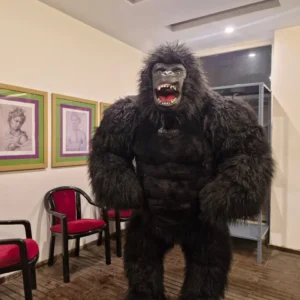
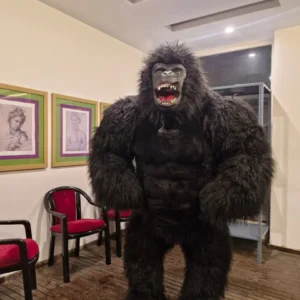
- Local mascot or costume character appearances
Step 10: After the Carnival
Once the event wraps up, a few final steps help you close out strong:
- Thank volunteers and sponsors publicly (social media, newsletter, or a thank-you event).
- Tally funds raised and share the results with the school community.
- Gather feedback through a quick survey to improve next year’s event.
- Document everything — photos, vendor contacts, and a list of what worked and what didn’t — so next year’s planning committee has a head start.
Final Thoughts
A well-planned school carnival is more than just a fun day out — it’s a celebration of community, creativity, and school spirit. With a clear theme, a mix of games and food, dedicated volunteers, and smart fundraising strategies, your school carnival can become an annual tradition that students and families look forward to every year.
Frequently Asked Questions (FAQs)
1. How far in advance should we start planning a school carnival? Most schools begin planning 8–12 weeks before the event to allow enough time for volunteer recruitment, vendor booking, and marketing.
2. What is the average budget for a school carnival? Budgets vary widely, from a few hundred dollars for a small, volunteer-run event to several thousand dollars for larger carnivals with rides and rentals. Many schools offset costs through ticket sales and sponsorships.
3. How many volunteers do we need? As a general rule, plan for at least one volunteer per booth, plus additional volunteers for setup, cleanup, first aid, and ticket sales. A mid-sized carnival typically needs 30–50 volunteers.
4. What are the best low-cost carnival games? Ring toss, bean bag toss, cake walk, duck pond, and DIY Plinko boards are all inexpensive and easy to set up with materials you may already have.
5. Should we charge admission for a school carnival? Many schools charge a small entry fee or sell wristbands/tickets to cover costs and raise funds, while some choose to keep entry free and charge only for games and food.
6. What food should we serve at a school carnival? Classic options include popcorn, cotton candy, hot dogs, nachos, pretzels, and lemonade, along with a few healthier choices like fruit cups for variety.
7. How do we handle food allergies at the event? Post ingredient lists near food booths, offer allergy-friendly options, and have volunteers trained to answer allergy questions.
8. What’s the best age range for a school carnival? School carnivals typically cater to all ages, with booths and games designed for younger children while offering more challenging activities (like a dunk tank or obstacle course) for older students.
9. How do we get local businesses to sponsor the event? Reach out with a simple sponsorship packet outlining benefits like booth signage, social media shoutouts, and program recognition in exchange for donations or discounts.
10. What should we do if it rains? Always have a backup plan, such as moving the event indoors (gymnasium or cafeteria) or rescheduling to a rain date.
11. How do we keep track of tickets and tokens? Use a central ticket booth where families purchase tickets or tokens, which can then be used at any game or food booth throughout the event.
12. What is a cake walk and how does it work? A cake walk is a simple game where participants walk in a circle of numbered spots while music plays; when the music stops, a number is drawn, and the person standing on that number wins a cake or baked good.
13. How long should a school carnival last? Most school carnivals run for 3–5 hours, often held on a Friday evening or Saturday afternoon to maximize attendance.
14. What insurance do we need for rented equipment? Check with your rental company about liability coverage, and confirm with your school district whether additional event insurance is required for inflatables or rides.
15. How can we make the carnival more inclusive for all students? Offer sensory-friendly hours or quiet zones, ensure wheelchair-accessible pathways, and include a mix of low-stimulation activities alongside high-energy games.
16. What are good fundraising add-ons besides games and tickets? Silent auctions, raffles, 50/50 drawings, and bake sales are popular and effective additional fundraising tools.
17. How do we recruit enough volunteers? Send sign-up forms through school newsletters and social media, offer volunteer hour credits for older students, and personally ask parents through classroom communication.
18. Should we hire a DJ or entertainment company? It depends on your budget — a DJ or live entertainment adds energy to the event, but many schools successfully use a simple playlist and microphone system instead.
19. What is the best way to promote the carnival? Use flyers sent home with students, school newsletters, social media posts, and a countdown on the school’s website or marquee.
20. How do we calculate how much profit we made? Track all expenses (supplies, rentals, food) against total revenue (tickets, food sales, raffles, sponsorships) to calculate net profit, and share the final numbers with your school community for transparency.
21. What supplies are essential for every school carnival? Tables, chairs, signage, a first aid kit, extension cords, trash bins, a cash box or point-of-sale system, and prize bins are must-haves for almost every booth.
22. Can a school carnival be run entirely by volunteers, without paid vendors? Yes — many successful school carnivals are entirely volunteer-run, using DIY games, donated prizes, and parent-baked goods to keep costs low.
23. How do we choose the right prizes for game booths? Choose small, inexpensive prizes like stickers, small toys, or candy for younger kids, and consider a prize redemption counter where kids trade tickets for bigger prizes.
Post Widget
Products
-
Tatya Vinchu for Wedding
₹5,000
-
Dinosaur Mascot for Kids Party
₹3,500
-
Funny Duo Mascot for Birthday Party
₹17,000Original price was: ₹17,000.₹7,000Current price is: ₹7,000. -
Lion Mascot for Kids Party
₹4,000
-
Double Head Artist for Party Fun
₹18,000Original price was: ₹18,000.₹8,000Current price is: ₹8,000.